
Concrete Leveling in Woodbridge, VA
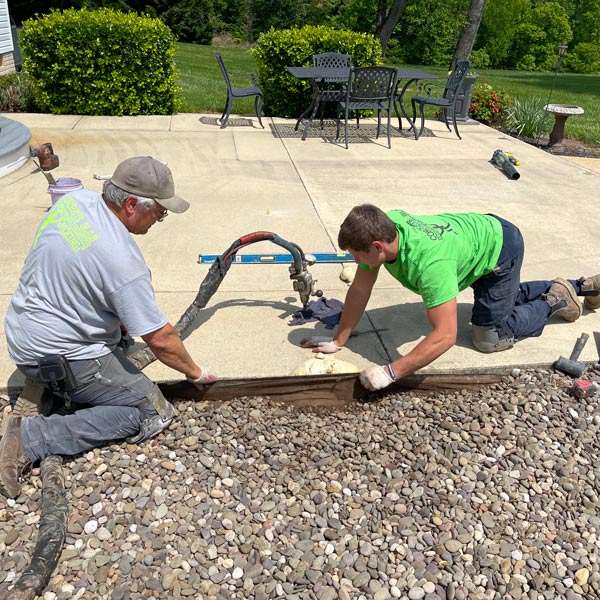
Professional Concrete Leveling in Woodbridge, VA
Raise Settled Slabs and Improve Everyday Access
Water collecting on a patio or a widening height difference between driveway panels can be signs that concrete has settled. For Woodbridge homeowners, these changes do not necessarily mean the whole surface needs replacement. If the slab remains in good condition, raising it may restore its usefulness while keeping the existing concrete in place.
Concrete Slabjacking Inc. offers concrete leveling in Woodbridge, VA, to raise sunken sections and restore support beneath them. Our polyurethane foam injection process can improve walking and parking surfaces, raise low spots caused by settlement, and correct settled interior floors. Lifting reduces the demolition and disruption involved in replacing usable concrete.
Before injecting foam, we determine how the settled section should meet nearby slabs, steps, and garage thresholds. Outdoor concrete also needs an appropriate slope, so the planned lift accounts for water drainage.
The work follows four steps:
- Inspection: Review the slab’s condition, settlement, and surrounding surfaces.
- Drilling: Make small holes through the concrete at planned injection points.
- Lifting: Inject expanding polyurethane foam to fill voids and gradually raise the slab.
- Patching: Check the repaired surface and patch the drilled holes.
The foam cures quickly, allowing many repaired areas to return to use soon after completion. We confirm the timing for your particular surface.
When settlement is the main problem, lifting can restore the affected section while preserving the surrounding concrete. Keeping the existing slab in place reduces demolition, hauling, and the need for new concrete.
Benefits include:
- Improved Access: Correct uneven sections along walking routes and near garage entrances.
- Better Drainage: Raise low areas where settlement has caused water to collect.
- Lower Cost: Often costs less than removing and replacing the affected concrete.
- Quicker Repairs: Many projects take only a few hours, limiting time away from normal use.
The slab’s condition determines whether it can be lifted. Age alone does not make replacement necessary.
Settlement begins beneath the slab as supporting soil compresses, softens, or washes away. On properties with sloping yards, runoff may affect one edge more than another, while fill beneath a floor or driveway can settle without visible surface erosion.
Common causes include:
- Loose fill soil compressing beneath concrete after construction or excavation.
- Runoff from higher ground carrying supporting soil away along slab edges.
- Water collecting beside concrete leaving the ground beneath it wet and soft.
- Drying soil shrinking and leaving gaps beneath slabs in moisture-sensitive soils.
A panel that tilts, drops at a joint, or begins holding water may have lost support underneath.
Concrete Leveling Services for Woodbridge Homes
Our concrete leveling services restore settled areas used for walking, parking, storage, and outdoor activities.
Driveways
Lift sunken panels and low concrete aprons where the driveway meets the garage.
Sidewalks & Walkways
Correct uneven joints between parking areas, front steps, and yard paths.
Patio & Pool Decks
Raise settled sections that affect footing or collect water after rain.
Garage Floors & Basement Slabs
Lift low floor areas used for parking, storage, and walking.
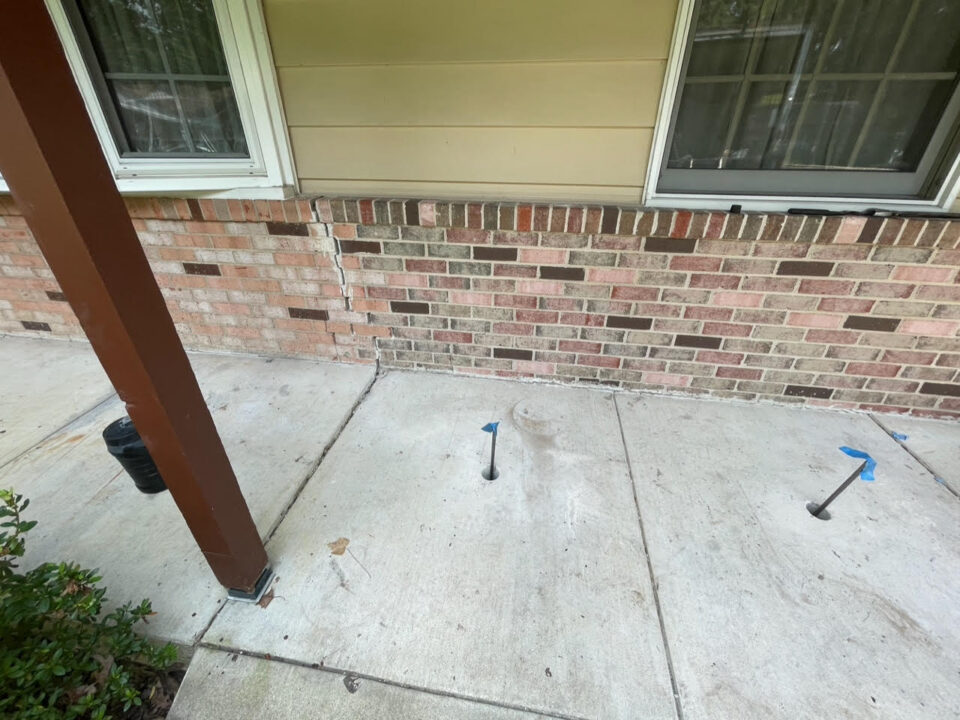
How Long Does Concrete Raising Last?
A properly completed concrete raising repair can last 10 to 20 years or more when the slab remains in good condition and the supporting ground stays stable. Filling voids beneath the concrete helps maintain support after the section has been lifted.
The cause of the original settlement matters to the repair’s longevity. Filling a void restores support in the affected area, but water that continues carrying soil away can undermine the surrounding ground. Where drainage contributes to settlement, addressing that concern helps protect the repaired surface.
Clear gutters and properly directed downspouts help keep concentrated runoff away from concrete edges. After heavy rain, check for new gaps, washed-out soil, or changes in how water drains around the slab so developing concerns can be assessed.
Why Choose Concrete Slabjacking Inc. in Woodbridge?
Our team provides practical guidance and explains the recommended work before the project begins.
Experienced Team
Hands-on knowledge of concrete raising and polyurethane foam lifting.
Straightforward Advice
Clear answers about whether leveling is appropriate for the affected slab.
Detailed Estimates
Proposed work and pricing explained before you decide to proceed.
Respect for Your Property
Care around driveways, walking areas, and nearby landscaping.
Family-Owned Business
A Maryland company serving Woodbridge and the wider Northern Virginia region.
Request a Free Concrete Leveling Quote in Woodbridge, VA
Get a clear recommendation for the settled concrete around your Woodbridge home. Concrete Slabjacking Inc. can assess your driveway, walkway, patio, or interior floor and explain whether lifting is the right repair.
Call (410) 792-0055 for a free, no-obligation estimate.
Proudly serving Woodbridge, Lake Ridge, Dale City, Occoquan, Dumfries, and nearby Northern Virginia communities.
Concrete Leveling FAQs for Woodbridge Homeowners
Many repaired driveways can return to vehicle use the same day. We confirm when the foam has cured sufficiently and the work is complete before you drive or park on the raised section.
It can when settlement has created the low spot and lifting can restore adequate drainage. We check the slab’s slope and surrounding grade to distinguish a settled section from other causes of pooling.
Often, yes. We assess the floor’s condition and how it has settled relative to nearby walls and other fixed surfaces. Interior slab lifting addresses the floor itself; it is different from repairing a building’s foundation.
Yes, when the concrete is suitable for lifting. Leveling does not mean making every surface flat. We account for the intended slope and adjoining surfaces when planning how far to raise the settled section.